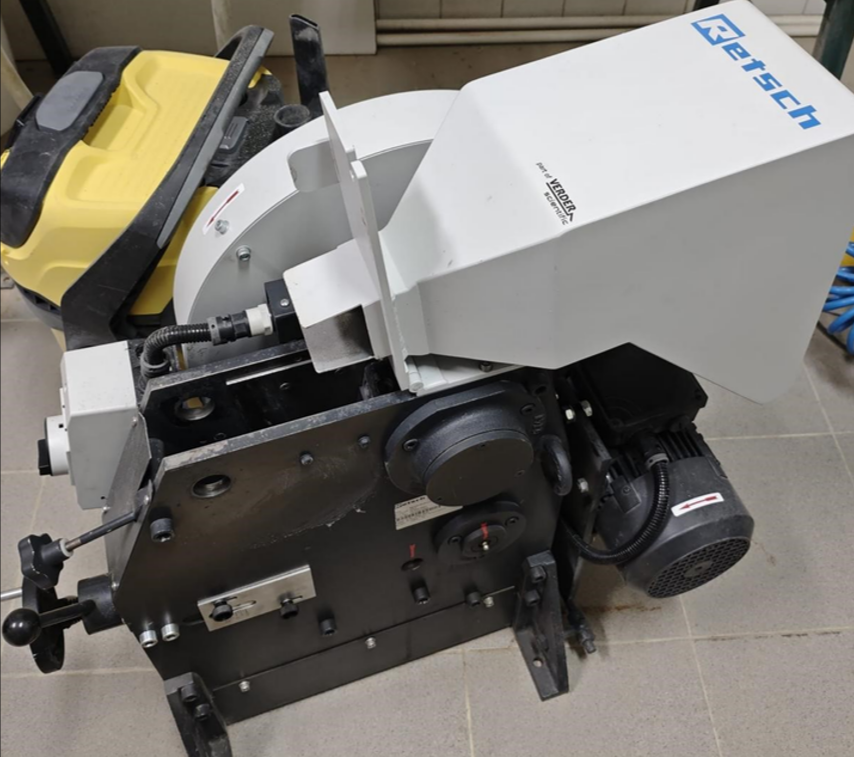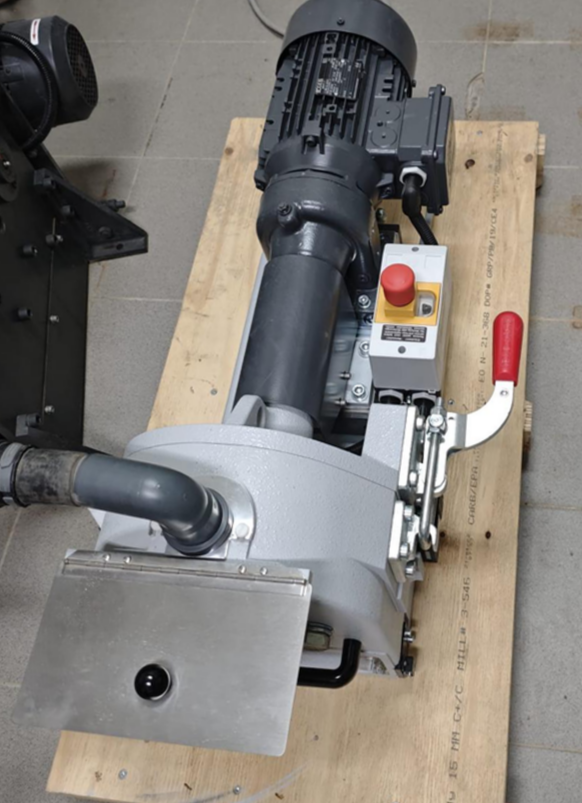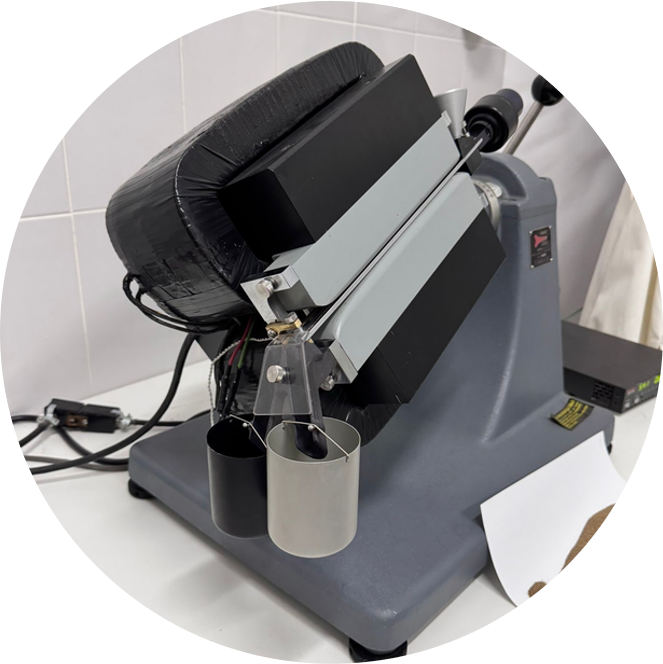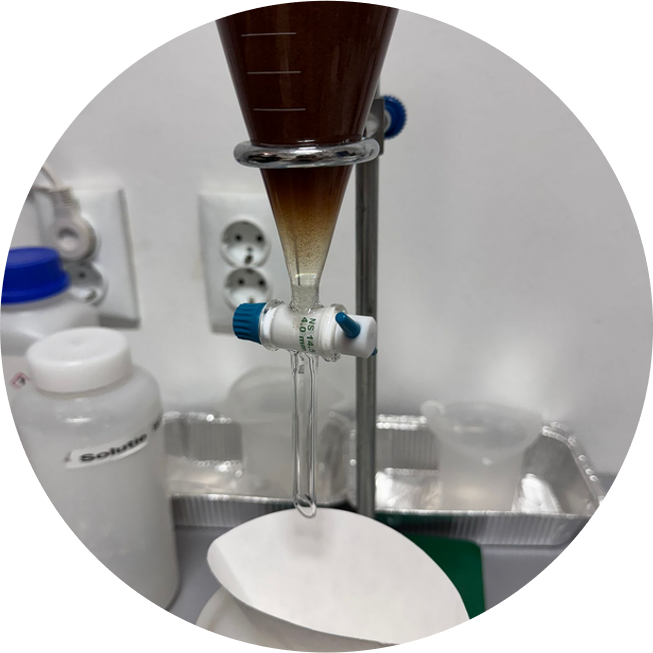
Understanding Earth requires more than collecting samples. It requires the ability to separate, prepare, measure and interpret the smallest traces preserved in rocks and minerals.
Deep Time Research works with specialized laboratory infrastructure for mineral separation, clean lab chemistry, isotope geochemistry and trace-element analysis, allowing us to move from geological samples to high-precision measurements.
from rock to data
-
Franz
Wiffley table
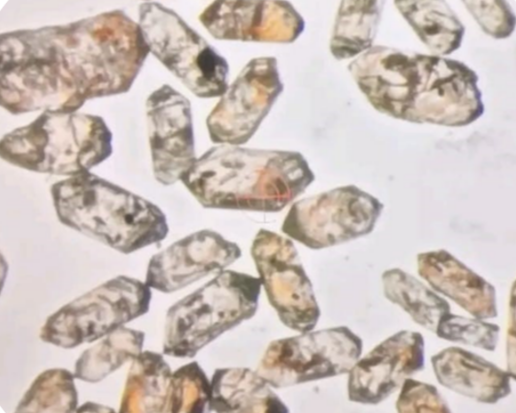
SPT heavy liquid separation
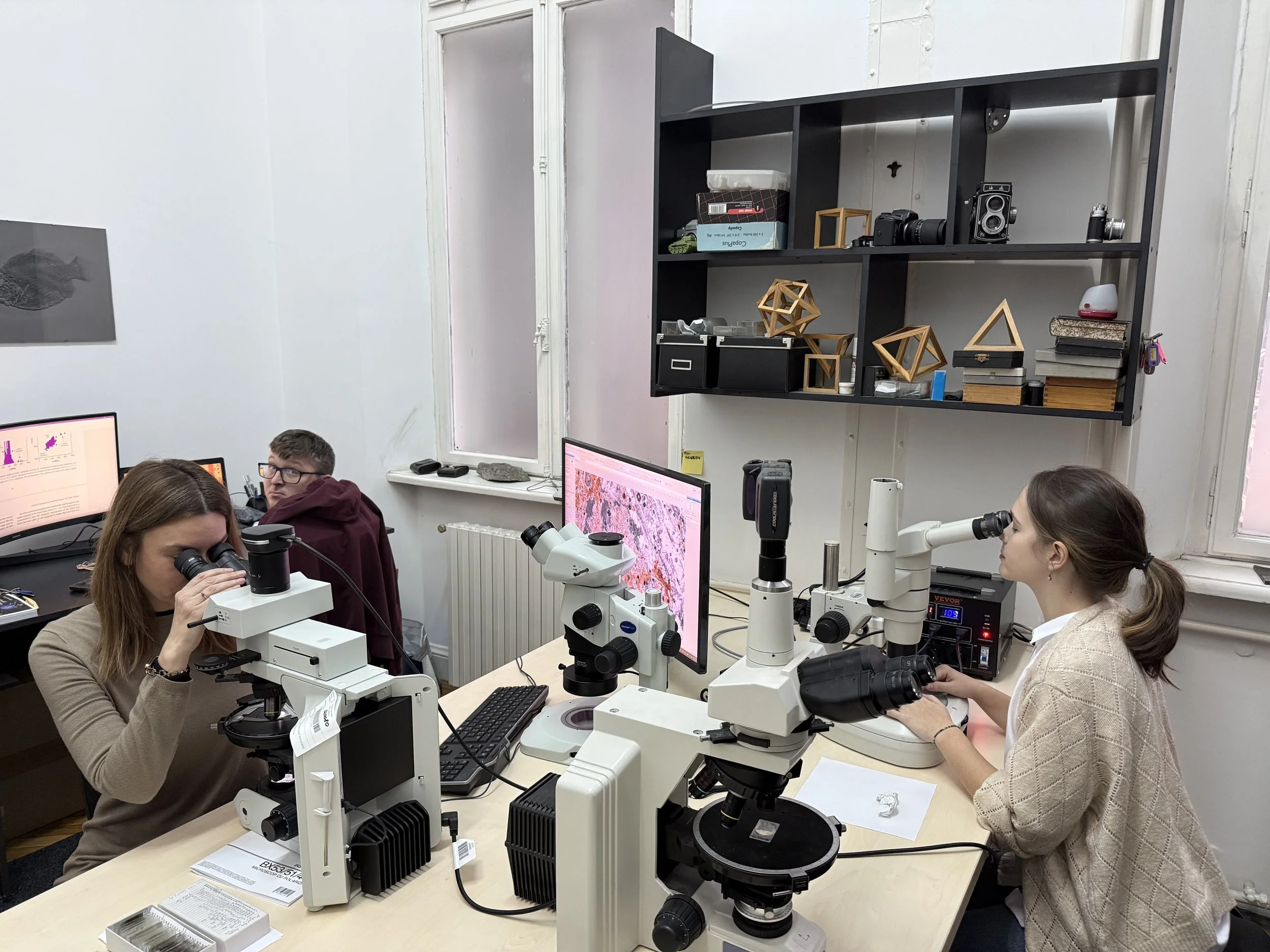
Binocular microscopes
Petrographic microscopes
-
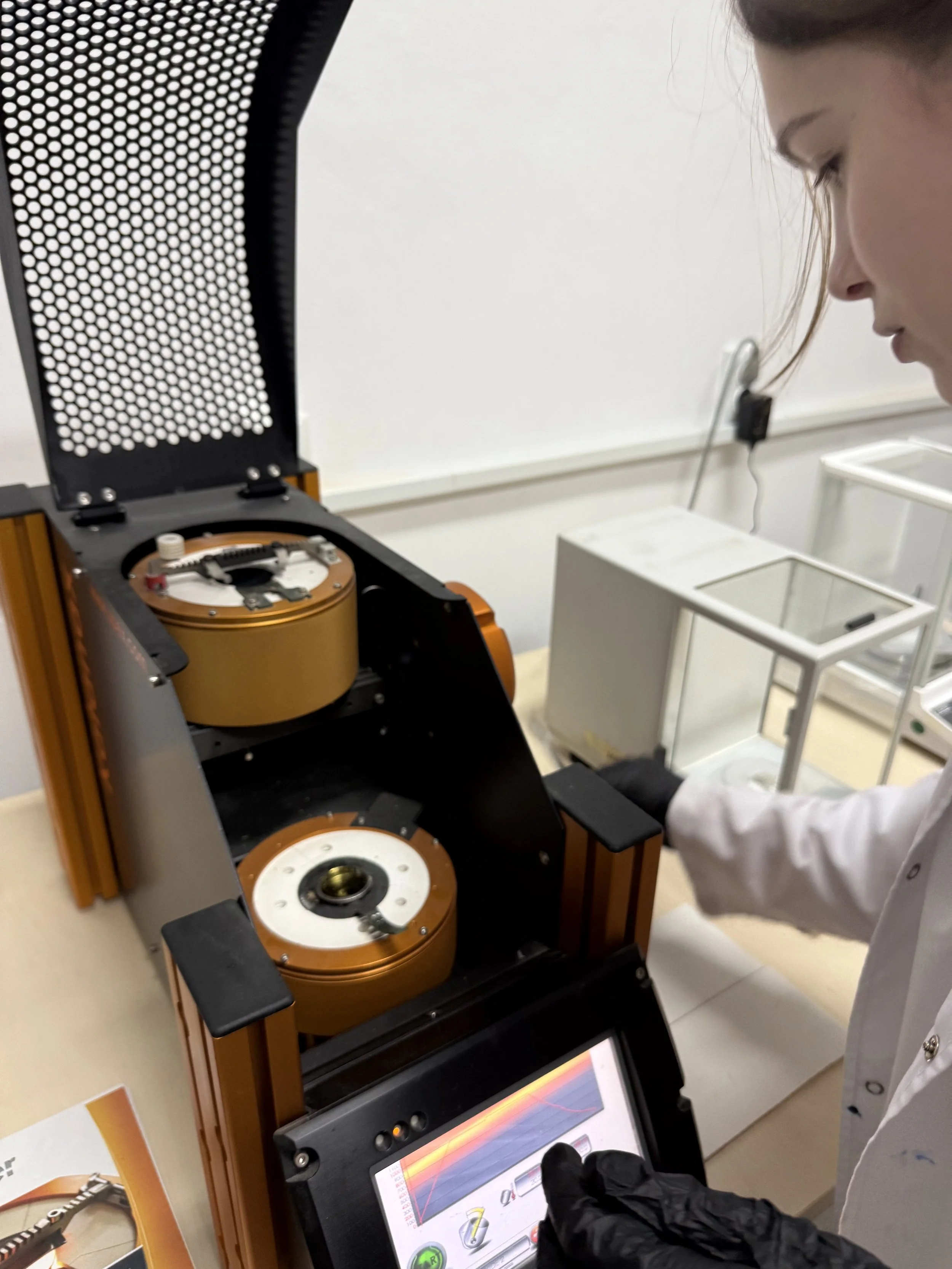
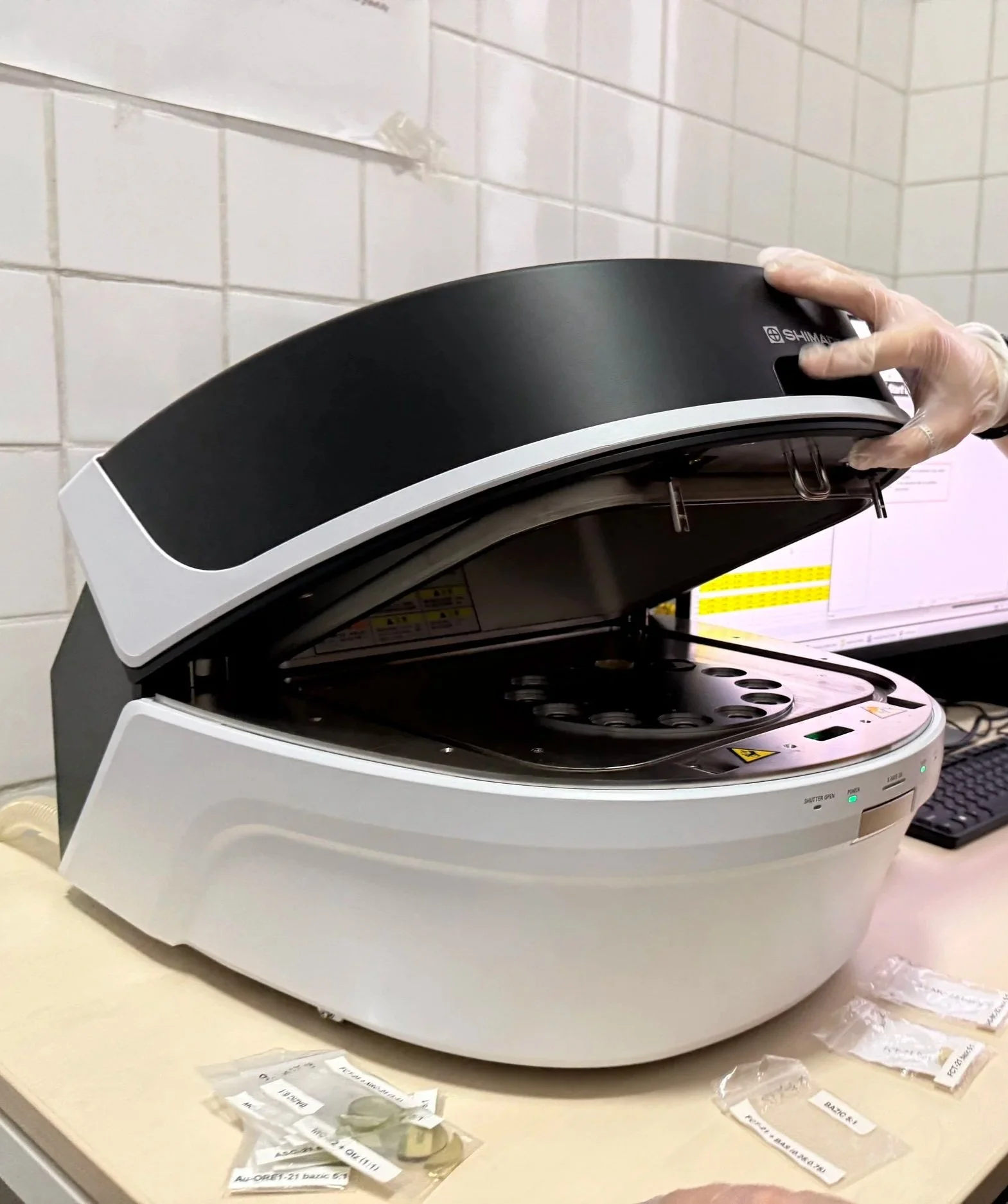
XRF is used primarily for major-element analysis of silicate rocks.
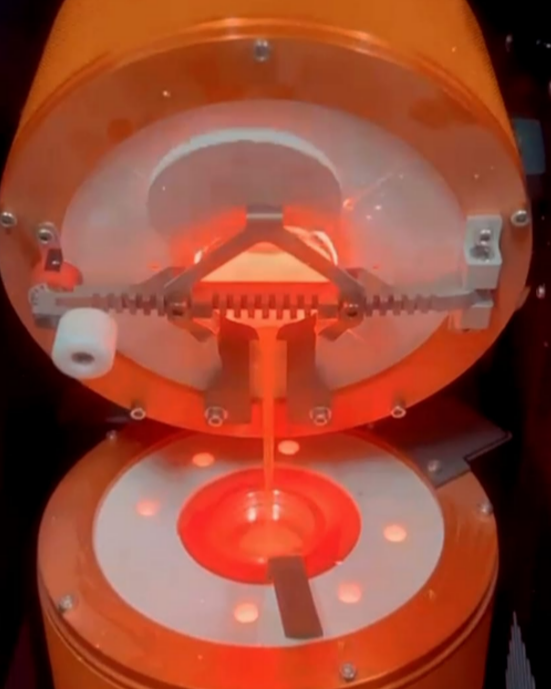
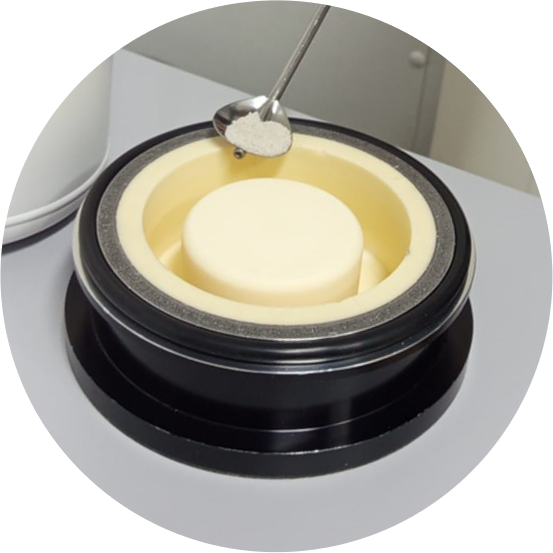
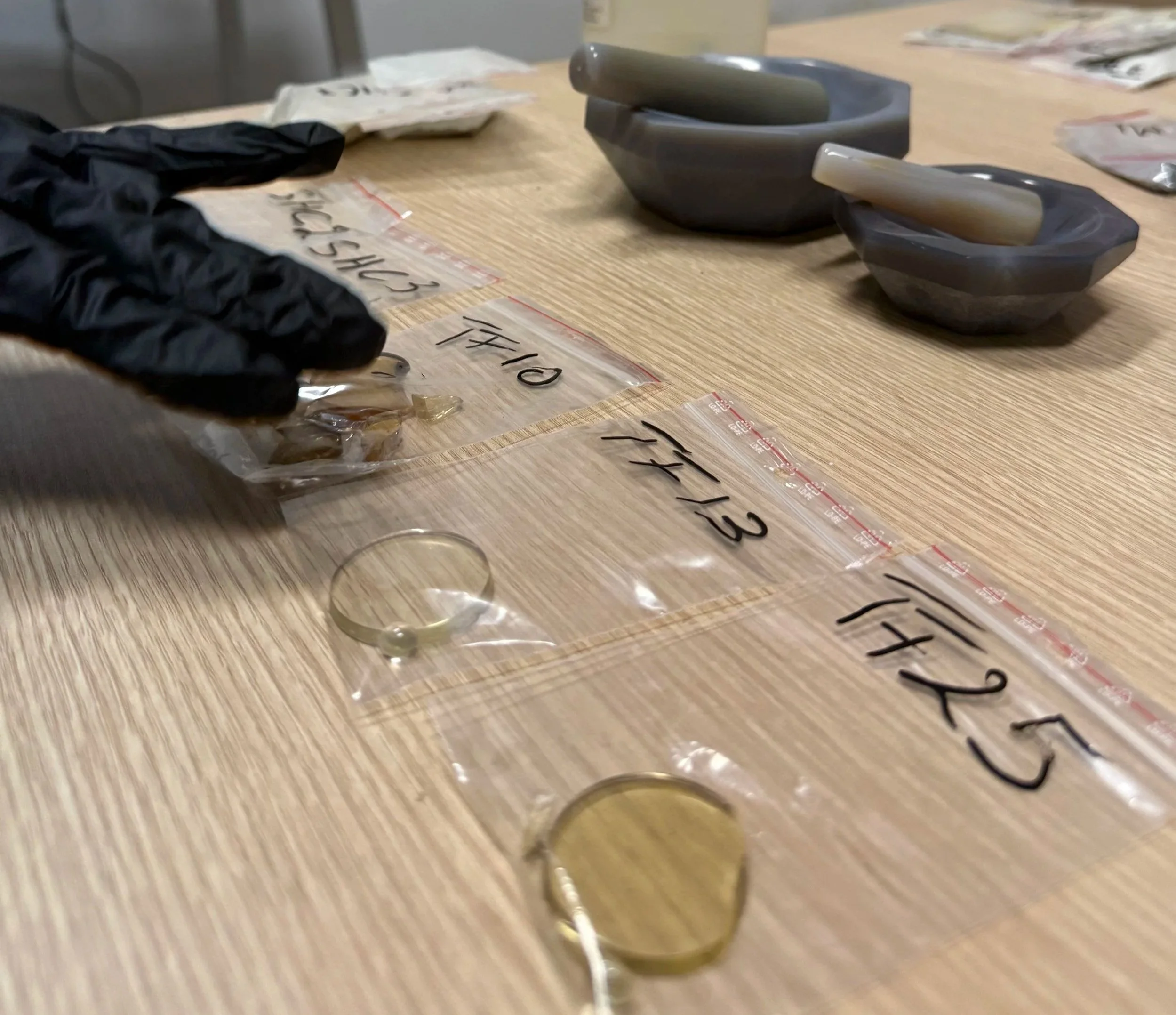
Samples are crushed and powdered using a shatterbox before being fused with ultrapure flux in a Katanax fusion machine. The resulting homogeneous glass disks are analyzed by XRF for major elements, with the same material subsequently used for trace-element analysis by ICP-MS.
-
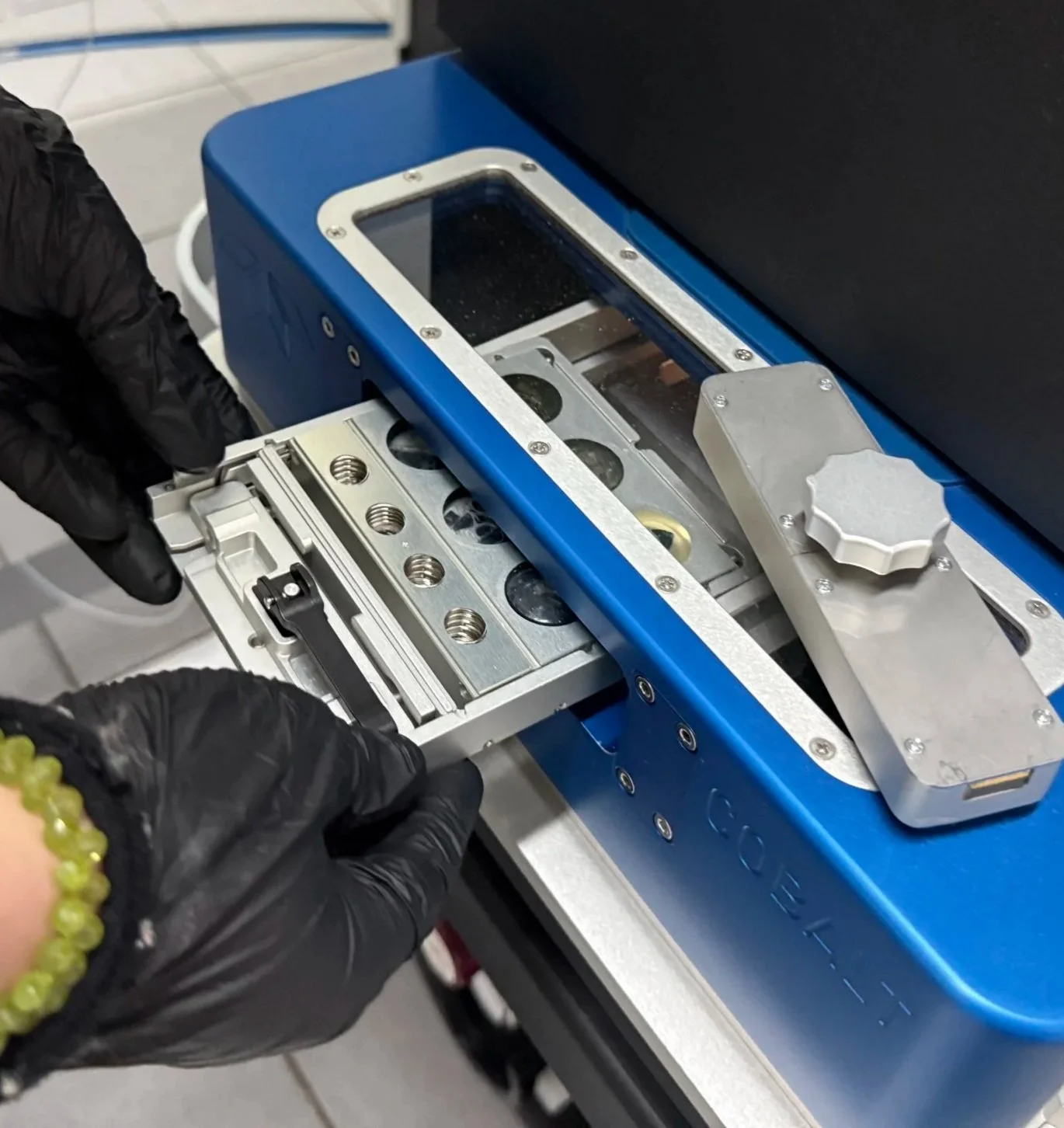
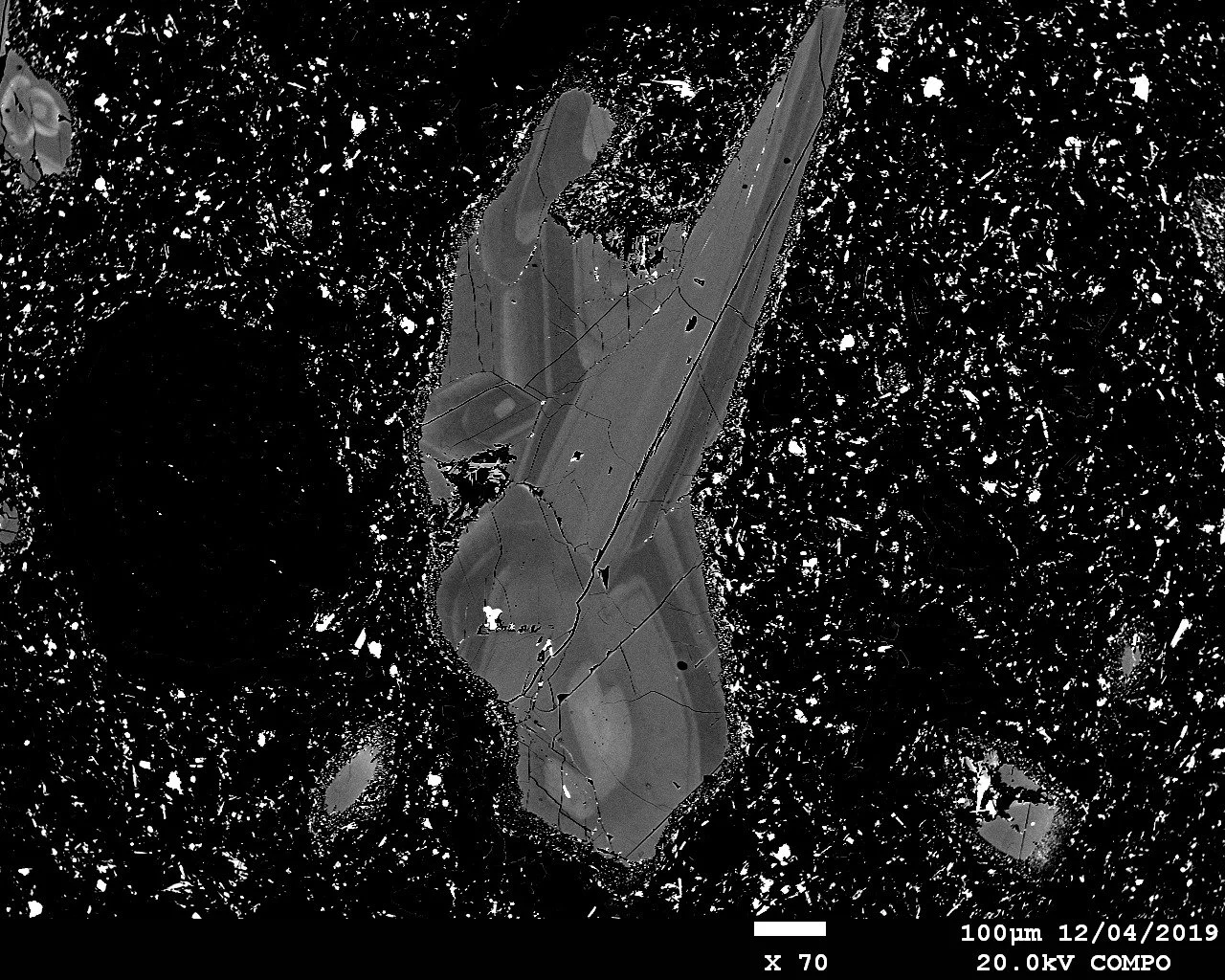
Our Iridia 193 nm excimer laser enables high-resolution, in-situ analysis of minerals and rocks.
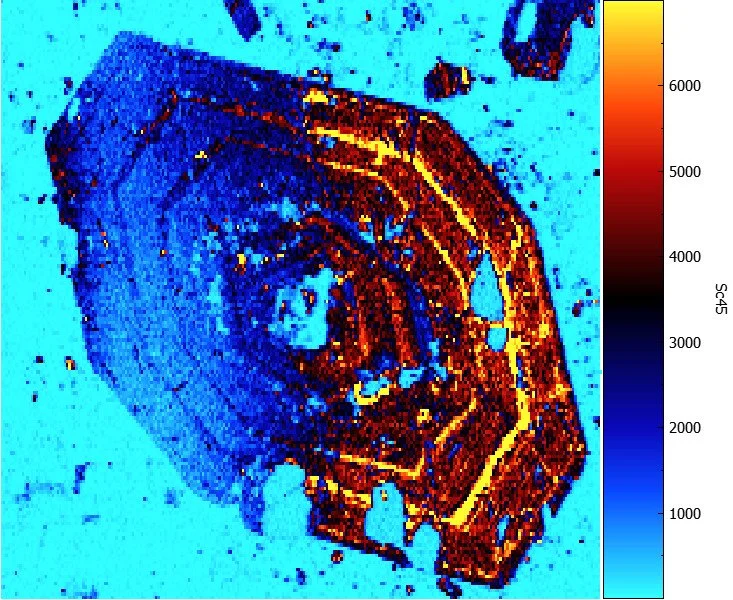
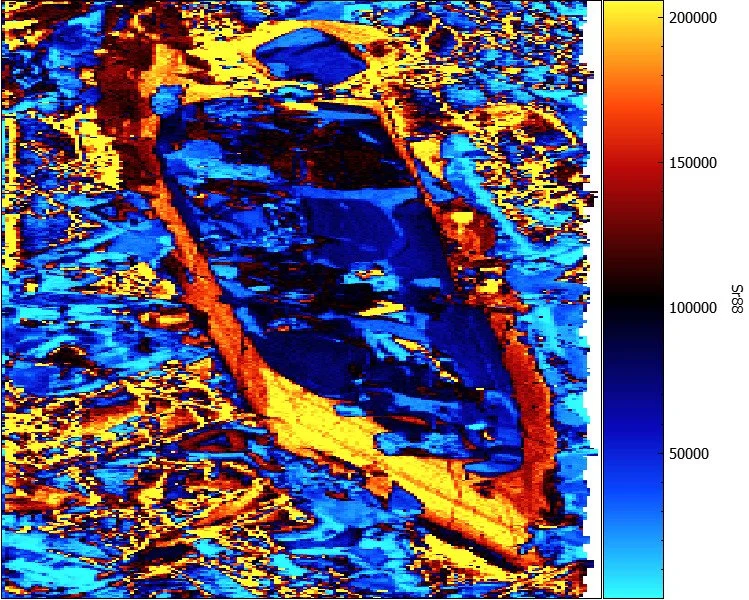
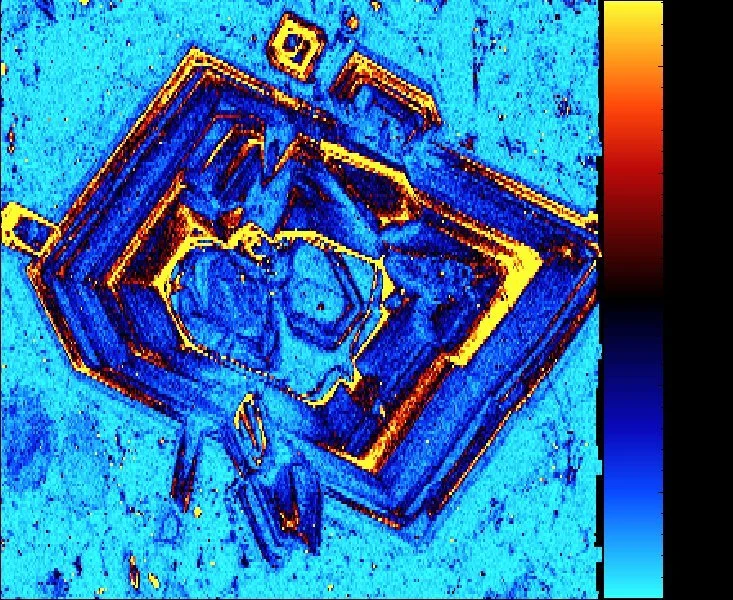
Beyond in-situ geochronology, the system can produce detailed trace-element maps across individual mineral phases, revealing chemical variations at the microscale.
-
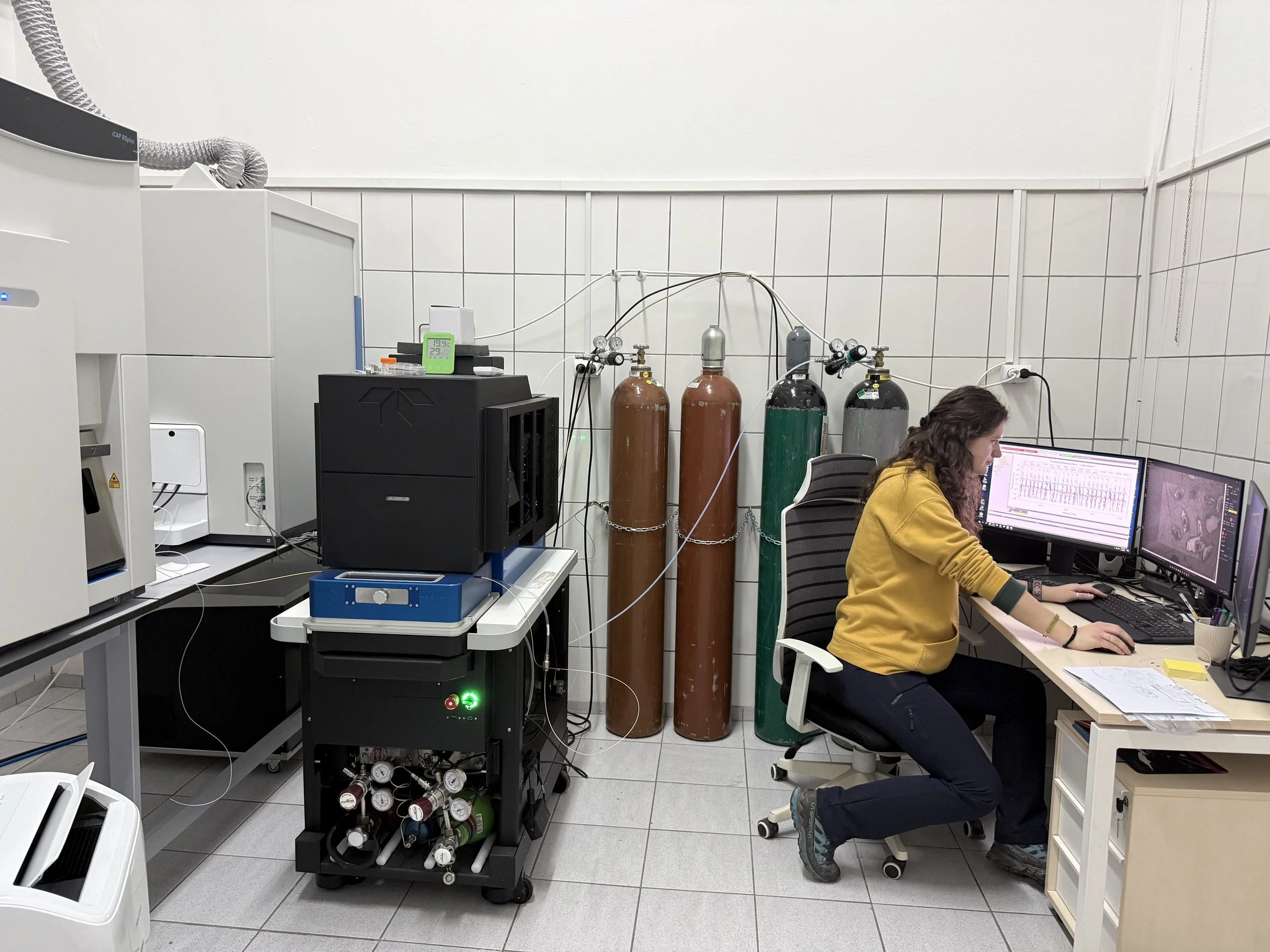
Our laboratory houses two Thermo iCAP quadrupole ICP-MS instruments, acquired in 2023 and 2024.
The instruments can operate in split-stream mode, allowing geochronological and geochemical analyses to be combined. One instrument is primarily dedicated to U–Pb geochronology of zircon, monazite, apatite and titanite, while the other is used for trace-element analysis.
-
TIMS
THERMAL IONIZATION MASS SPECTROMETRY
Planned for high-precision isotope measurements and geochronology, complementing our existing U–Pb capabilities and expanding the range of isotope systems we can investigate.
MULTICOLLECTOR ICP–MS
HIGH-PRECISION ISOTOPE GEOCHEMISTRY
A future multicollector system will allow high-precision measurement of isotope ratios and open new possibilities in radiogenic and stable isotope geochemistry.
CLEAN LABORATORY
ULTRACLEAN CHEMISTRY
A dedicated clean laboratory will provide the controlled environment needed for low-contamination isotope chemistry, from sample dissolution and chemical separation to final preparation for mass spectrometry.