BUILDING OROGENIC PLATEAUS
MAGMATISM · CRUSTAL EVOLUTION · RESOURCES
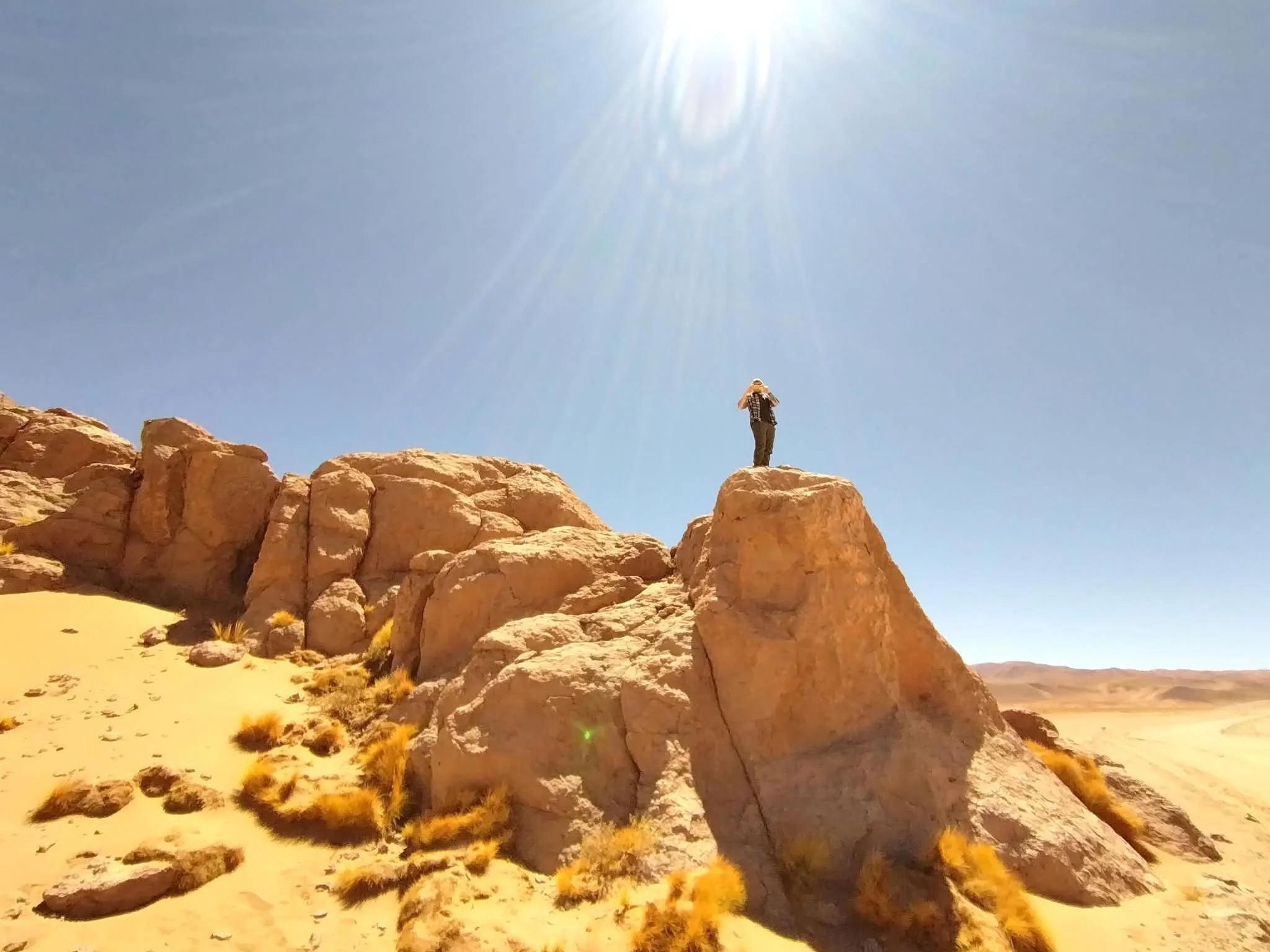
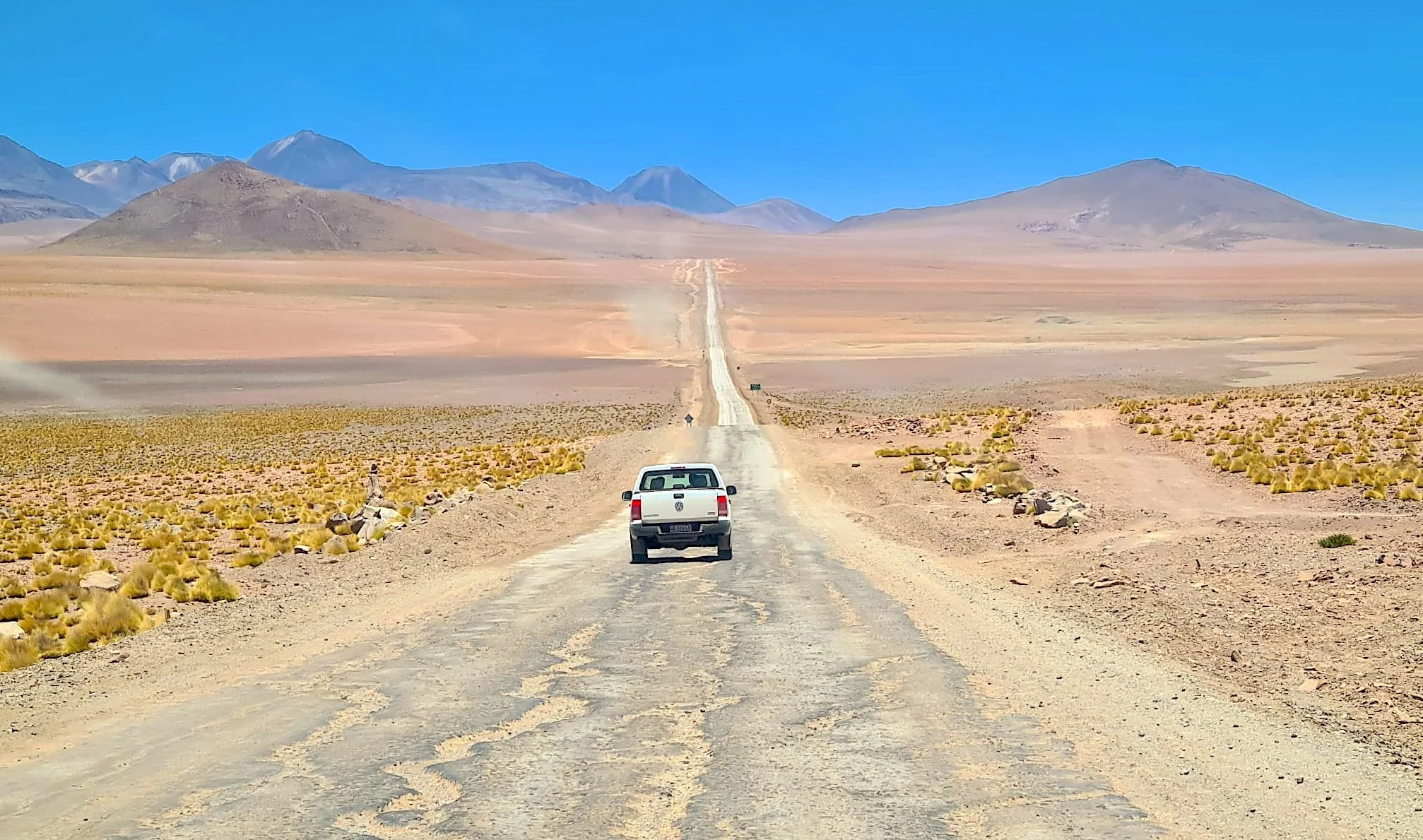
Large plateaus such as the Altiplano–Puna and Tibet contain enormous volumes of magmatic material within the crust. We investigate the origin, composition and duration of these magmatic systems—and how they may contribute to the development and preservation of high-elevation, low-relief landscapes.
These systems may also concentrate elements such as Li, Cs, Rb and B, connecting fundamental questions about continental evolution with the formation of critical mineral resources.
ADAKITE PRODUCTION IN CONTINENTAL SUBDUCTION
IGNEOUS PETROLOGY · THERMODYNAMIC MODELING · PETROCHRONOLOGY
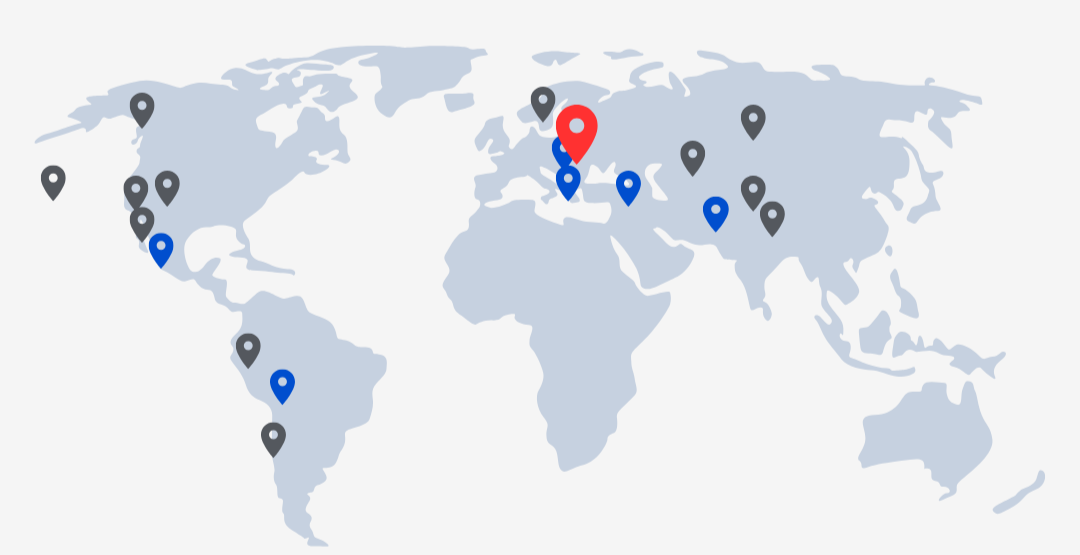
Adakitic magmas traditionally tied to subducted oceanic slabs frequently appear in collisional settings like the Carpathians and Apuseni Mountains where oceanic subduction has ceased.
Using Romania’s Southern Harghita and Southern Apuseni volcanic fields, we explore whether these unusual magmas originate from partial melting of subducted continental crust or via deep crust–mantle boundary (MASH) processes.
We combine thermodynamic modeling with mineral-scale geochemistry, isotope analysis, and zircon petrochronology to trace how felsic and mafic melt components interact as they ascend through the mantle and crust.
COLLISIONAL VOLCANIC ARCS
PETROLOGY · GEOCHEMISTRY · GEODYNAMICS
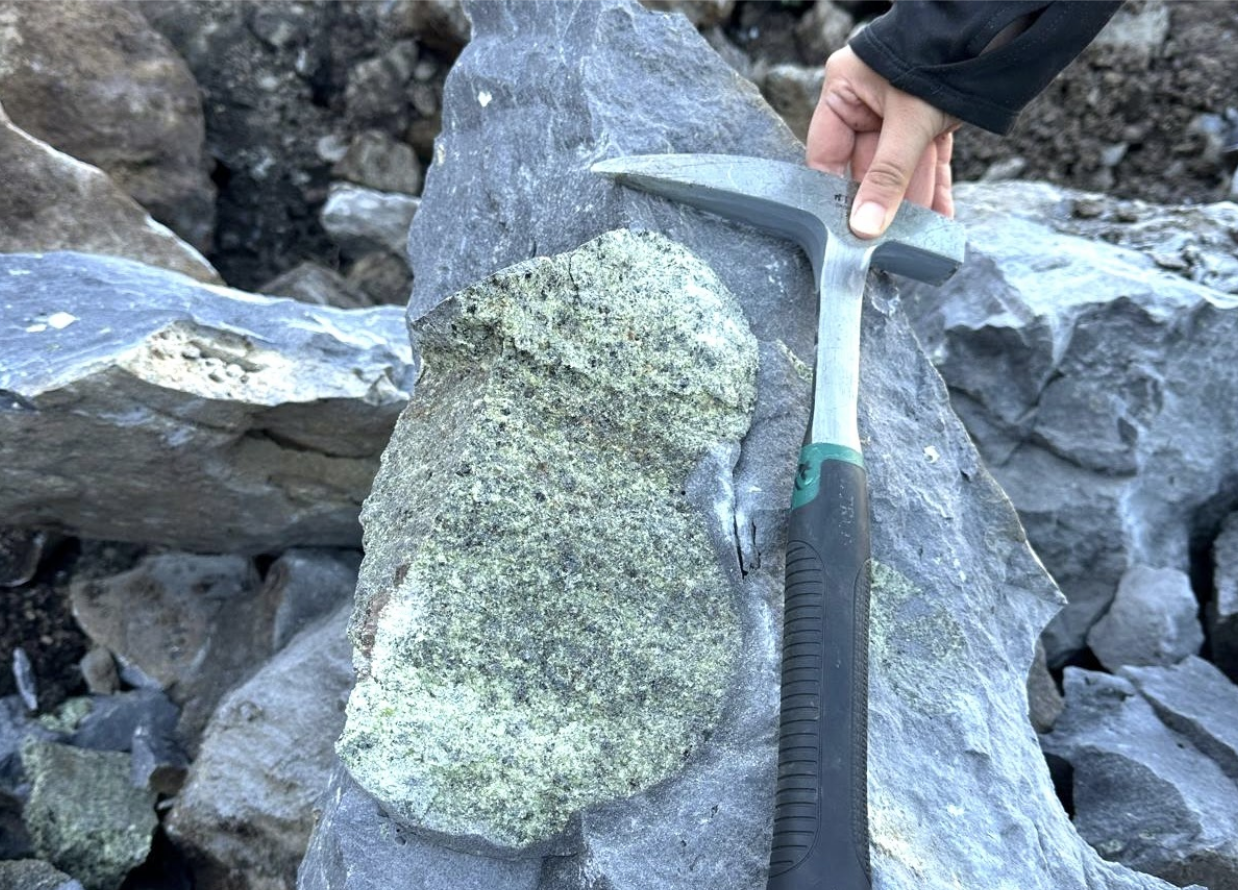
Some continental collision zones develop volcanic systems that resemble those found above subduction zones. These include parts of the Carpathians, Caucasus, Zagros and eastern Anatolia.
We investigate how these unusual volcanic systems form, what their magmas reveal about the deep crust and mantle, and what they tell us about the evolution of continental collision.
mohometry proxies
ZIRCON GEOCHRONOLOGY · TRACE ELEMENTS · ISOTOPE GEOCHEMISTRY
Zircon preserves a chemical record of the magmas and environments in which it crystallized over time.
By comparing zircon trace elements and isotope geochemistry across extremes—from the ultra-thick crust of the Altiplano Plateau to the exceptionally thin crust of the Aegean Arc, we can reconstruct past and present crustal structures.
We investigate how magma chemistry links to crustal architecture to refine models of continental growth, recycling, and differentiation.